Moving from Boise, ID to Nampa, ID?
The Moving Checklist Planner turns your move-in date into a dated checklist, packing inventory and budget — seven tabs for Google Sheets or Excel, $12 once.
Is Boise or Nampa Safer?
According to crimebycity.com's analysis of FBI data, Nampa is safer than Boise (Safety Score 71/100 vs 60/100), with a total crime rate of 1,097 per 100,000 versus 1,404 for Boise — 22% lower. Boise has higher rates in 3 of 7 crime categories.
The biggest difference is in murder, where Boise has a 49% lower rate.
Quiz: which of these is MORE DANGEROUS than Boise, ID?
Boise — 5-Year Trend
 Violent
 Property
Total
Property
Total
Nampa — 5-Year Trend
 Violent
Property
Total
Violent
Property
Total
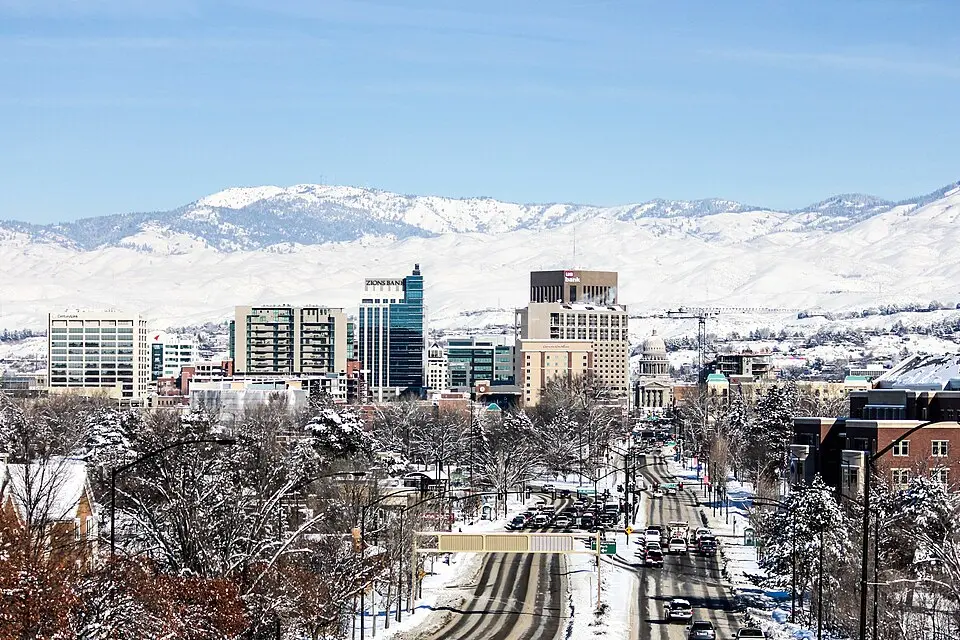
Boise, ID
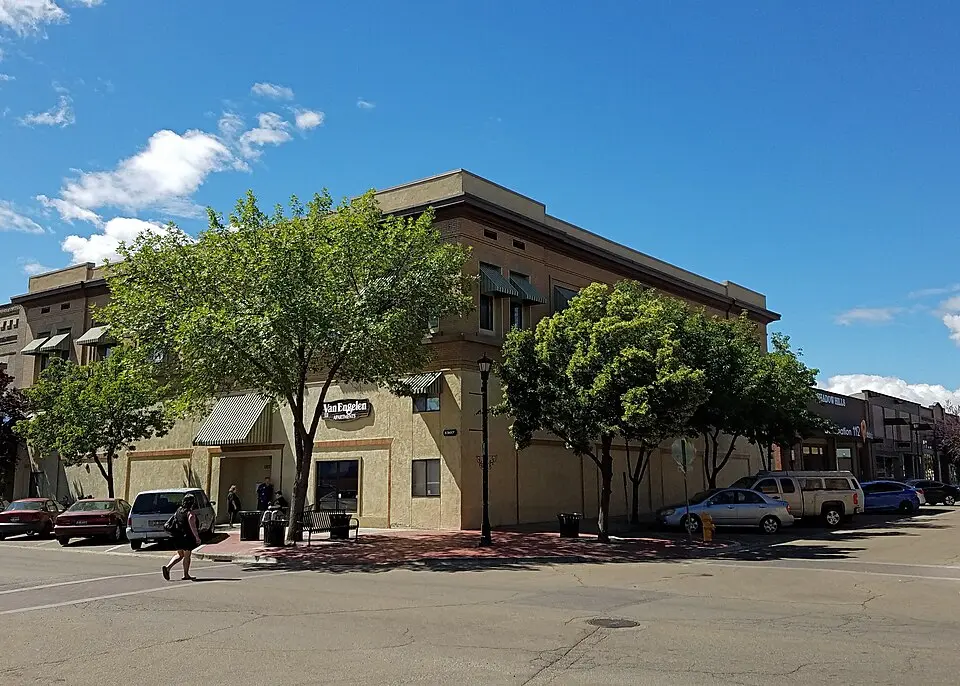
Nampa, ID
Detailed Crime Rate Comparison
| Crime Type | Boise | Nampa | Difference |
|---|---|---|---|
| Total Crime Rate | 1,403.8 | 1,097.1 | +306.7 |
| Violent Crime Rate | 293.8 | 354.8 | -61.0 |
| Murder Rate | 1.3 | 2.5 | -1.2 |
| Rape Rate | 71.0 | 77.3 | -6.3 |
| Robbery Rate | 15.7 | 15.1 | +0.6 |
| Aggravated Assault Rate | 205.8 | 258.1 | -52.3 |
| Property Crime Rate | 1,110.0 | 742.3 | +367.7 |
| Burglary Rate | 107.1 | 151.3 | -44.2 |
| Larceny-Theft Rate | 872.8 | 508.6 | +364.2 |
| Motor Vehicle Theft Rate | 130.1 | 82.4 | +47.7 |
All rates per 100,000 residents. Source: FBI UCR.
Moving from Boise, ID to Nampa, ID?
The Moving Checklist Planner turns your move-in date into a dated checklist, packing inventory and budget — seven tabs for Google Sheets or Excel, $12 once.
Frequently Asked Questions
Is Boise or Nampa safer?
Nampa is safer with a total crime rate of 1,097 per 100K vs 1,404 for Boise — a 22% difference.
How do violent crime rates compare?
Boise has a violent crime rate of 293.8 per 100K while Nampa has 354.8. Boise has lower violent crime.
About Boise, ID
Boise, Idaho, known for the "Treefort Music Fest," sits along the Boise River at the foot of the Rocky Mountains. As the state capital, it's the largest city in Idaho, with a population exceeding 230,000. With a safety score of 60/100 and a population coverage of 235,223, Boise has a total crime rate of 1,403.8 per 100,000 residents.
About Nampa, ID
Nampa, once a pivotal railway town, is now Idaho's third-largest city, situated in the agriculturally rich Treasure Valley. Its population of over 100,000 residents enjoys proximity to the Boise River and the majestic Owyhee Mountains. With a safety score of 71/100 and a population coverage of 118,950, Nampa has a total crime rate of 1,097.1 per 100,000 residents.