Moving from Bell Gardens, CA to Stow, OH?
An out-of-state move adds a new driver's license, plates, voter registration and state-specific deadlines. The Moving Checklist Planner dates every task from your move-in day — seven tabs for Google Sheets or Excel, $12 once.
Is Bell Gardens or Stow Safer?
According to crimebycity.com's analysis of FBI data, Bell Gardens is safer than Stow (Safety Score 45/100 vs 45/100), with a total crime rate of 1,864 per 100,000 versus 1,870 for Stow — 0% lower. Bell Gardens has higher rates in 3 of 7 crime categories.
The biggest difference is in robbery, where Stow has a 98% lower rate.
Quiz: which of these is SAFER than Bell Gardens, CA?
Bell Gardens — 5-Year Trend
 Violent
 Property
Total
Property
Total
Stow — 5-Year Trend
Violent
Property
Total
Bell Gardens, CA
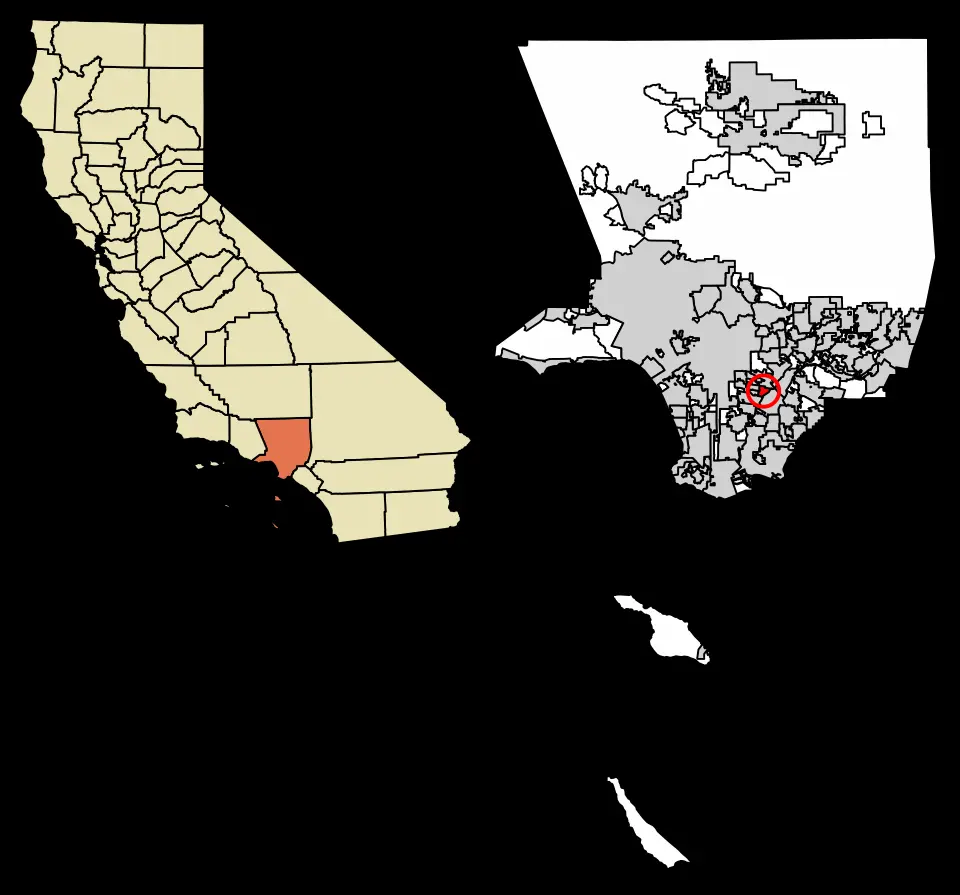
Stow, OH

Detailed Crime Rate Comparison
| Crime Type | Bell Gardens | Stow | Difference |
|---|---|---|---|
| Total Crime Rate | 1,864.3 | 1,870.3 | -6.0 |
| Violent Crime Rate | 388.1 | 115.4 | +272.6 |
| Murder Rate | 2.7 | 5.9 | -3.2 |
| Rape Rate | 24.4 | 41.4 | -17.0 |
| Robbery Rate | 133.0 | 3.0 | +130.0 |
| Aggravated Assault Rate | 228.0 | 65.1 | +162.8 |
| Property Crime Rate | 1,476.3 | 1,754.9 | -278.7 |
| Burglary Rate | 135.7 | 71.0 | +64.7 |
| Larceny-Theft Rate | 835.8 | 1,654.3 | -818.5 |
| Motor Vehicle Theft Rate | 504.8 | 29.6 | +475.2 |
All rates per 100,000 residents. Source: FBI UCR.
Moving from Bell Gardens, CA to Stow, OH?
An out-of-state move adds new driver's license, plates, voter registration and deadlines that differ by state. The Moving Checklist Planner dates every task from your move-in day — seven tabs for Google Sheets or Excel, $12 once.
Frequently Asked Questions
Is Bell Gardens or Stow safer?
Bell Gardens is safer with a total crime rate of 1,864 per 100K vs 1,870 for Stow — a 0% difference.
How do violent crime rates compare?
Bell Gardens has a violent crime rate of 388.1 per 100K while Stow has 115.4. Stow has lower violent crime.
About Bell Gardens, CA
Bell Gardens, a small Gateway Cities community in Los Angeles County, was once home to a major dairy industry. This largely Hispanic city is densely populated along the Rio Hondo. With a safety score of 45/100 and a population coverage of 36,850, Bell Gardens has a total crime rate of 1,864.3 per 100,000 residents.
About Stow, OH
Stow, once part of the Connecticut Western Reserve, is a suburban city in Summit County. It boasts a median age of around 40, reflecting its established family communities near major Akron thoroughfares. With a safety score of 45/100 and a population coverage of 33,791, Stow has a total crime rate of 1,870.3 per 100,000 residents.