Moving from Gardena, CA to Moline, IL?
An out-of-state move adds a new driver's license, plates, voter registration and state-specific deadlines. The Moving Checklist Planner dates every task from your move-in day — seven tabs for Google Sheets or Excel, $12 once.
Is Gardena or Moline Safer?
According to crimebycity.com's analysis of FBI data, Moline is safer than Gardena (Safety Score 11/100 vs 11/100), with a total crime rate of 3,718 per 100,000 versus 3,755 for Gardena — 1% lower. Gardena has lower rates in 4 of 7 crime categories.
The biggest difference is in robbery, where Moline has a 87% lower rate.
Quiz: which of these is MORE DANGEROUS than Gardena, CA?
Gardena — 5-Year Trend
 Violent
Property
Total
Violent
Property
Total
Moline — 5-Year Trend
 Violent
Property
Total
Violent
Property
Total
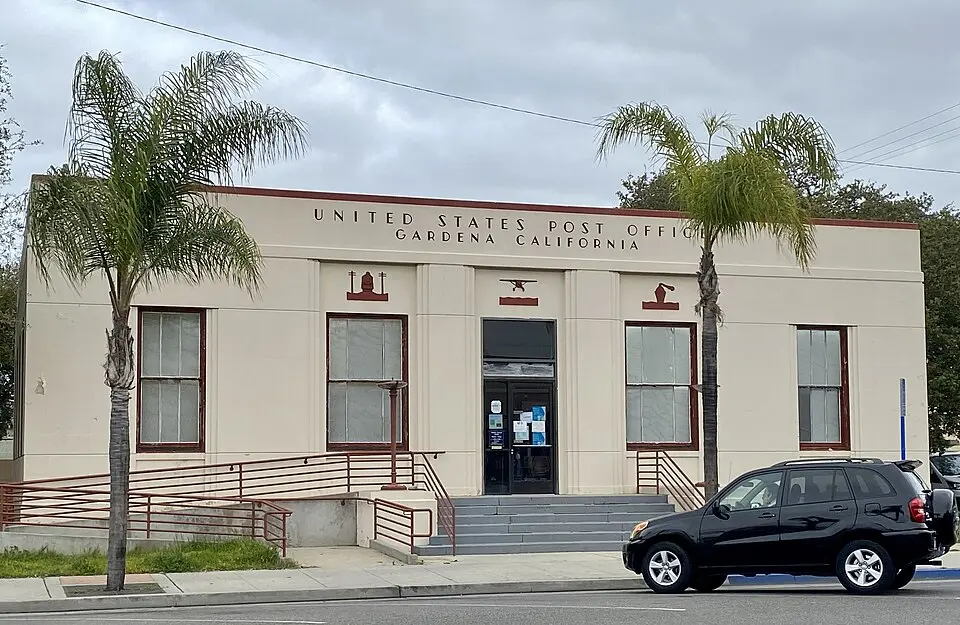
Gardena, CA
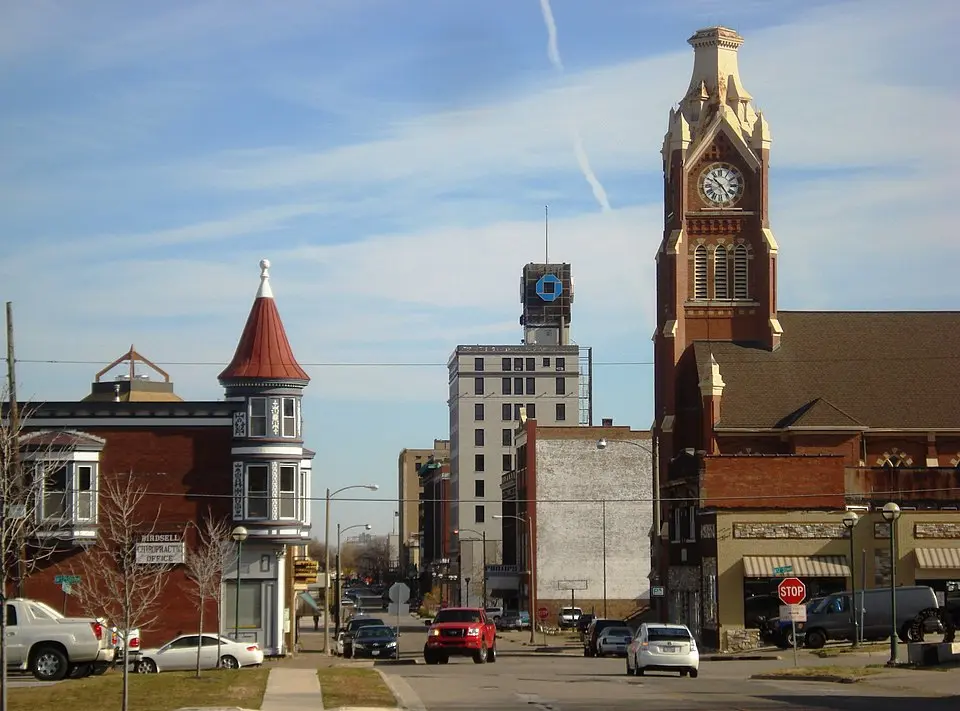
Moline, IL
Detailed Crime Rate Comparison
| Crime Type | Gardena | Moline | Difference |
|---|---|---|---|
| Total Crime Rate | 3,754.5 | 3,718.3 | +36.2 |
| Violent Crime Rate | 703.3 | 384.1 | +319.3 |
| Murder Rate | 5.2 | 12.0 | -6.8 |
| Rape Rate | 27.8 | 55.2 | -27.4 |
| Robbery Rate | 201.4 | 26.4 | +175.0 |
| Aggravated Assault Rate | 468.9 | 290.5 | +178.4 |
| Property Crime Rate | 3,051.2 | 3,334.2 | -283.0 |
| Burglary Rate | 422.0 | 1,116.2 | -694.2 |
| Larceny-Theft Rate | 1,727.9 | 1,742.7 | -14.8 |
| Motor Vehicle Theft Rate | 901.3 | 475.3 | +426.0 |
All rates per 100,000 residents. Source: FBI UCR.
Moving from Gardena, CA to Moline, IL?
An out-of-state move adds new driver's license, plates, voter registration and deadlines that differ by state. The Moving Checklist Planner dates every task from your move-in day — seven tabs for Google Sheets or Excel, $12 once.
Frequently Asked Questions
Is Gardena or Moline safer?
Moline is safer with a total crime rate of 3,718 per 100K vs 3,755 for Gardena — a 1% difference.
How do violent crime rates compare?
Gardena has a violent crime rate of 703.3 per 100K while Moline has 384.1. Moline has lower violent crime.
About Gardena, CA
Gardena, a South Bay city, was once a major strawberry producer. Its diverse population includes a significant Japanese American community. With a safety score of 11/100 and a population coverage of 57,584, Gardena has a total crime rate of 3,754.5 per 100,000 residents.
About Moline, IL
Moline, Illinois, a city along the Mississippi River, is a vital part of the Quad Cities metropolitan area. It's renowned as the global headquarters for John Deere, reflecting its deep industrial heritage. The city's population is around 42,000 residents. With a safety score of 11/100 and a population coverage of 41,659, Moline has a total crime rate of 3,718.3 per 100,000 residents.