Moving from Napa, CA to Quincy, MA?
An out-of-state move adds a new driver's license, plates, voter registration and state-specific deadlines. The Moving Checklist Planner dates every task from your move-in day — seven tabs for Google Sheets or Excel, $12 once.
Is Napa, CA or Quincy, MA Safer?
According to crimebycity.com's analysis of FBI data, Quincy, MA is safer than Napa, CA (Safety Score 51/100 vs 51/100), with a total crime rate of 1,668 per 100,000 versus 1,673 for Napa, CA — 0% lower. Napa has higher rates in 2 of 7 crime categories.
The biggest difference is in murder, where Quincy has a 100% lower rate.
Quiz: which of these is MORE DANGEROUS than Napa, CA?
Napa — 5-Year Trend
 Violent
Property
Total
Violent
Property
Total
Quincy — 5-Year Trend
Violent
 Property
 Total
Total
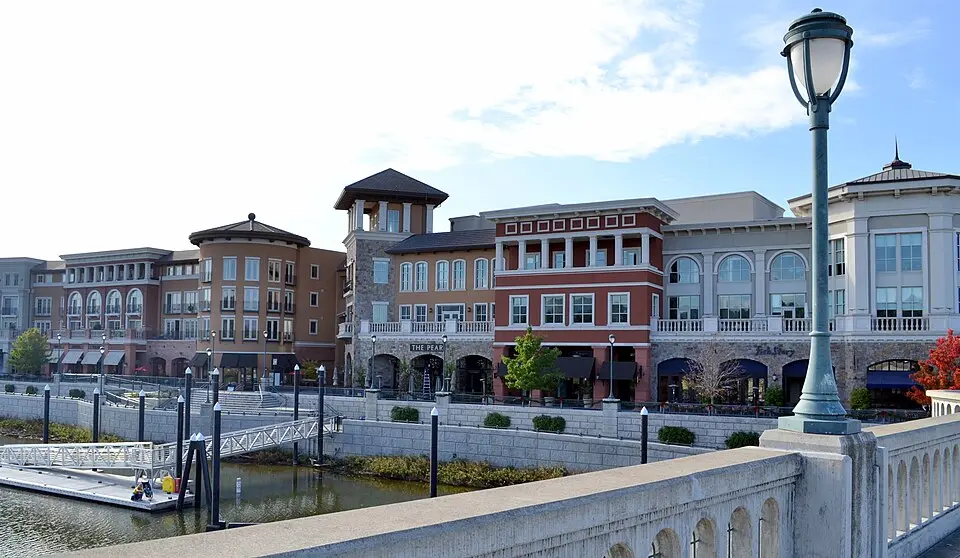
Napa, CA
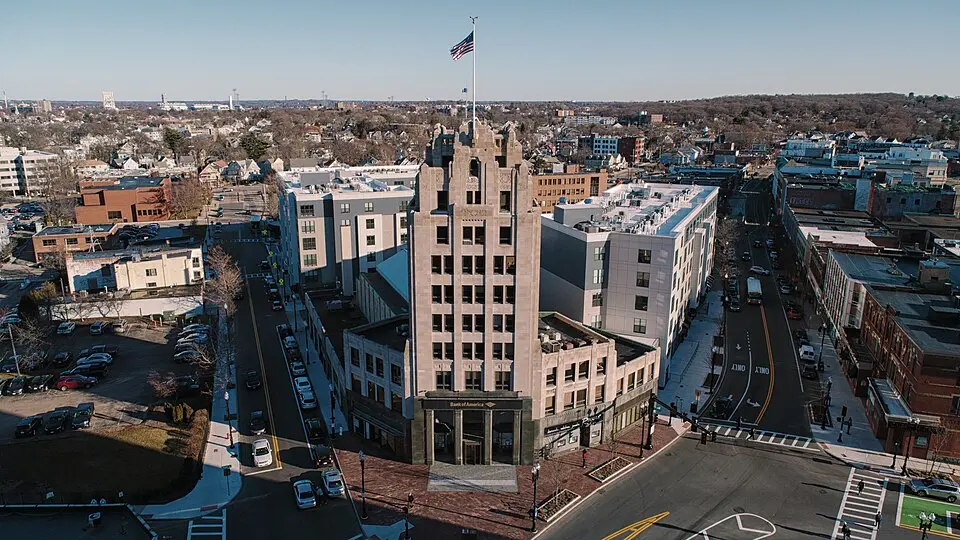
Quincy, MA
Detailed Crime Rate Comparison
| Crime Type | Napa | Quincy | Difference |
|---|---|---|---|
| Total Crime Rate | 1,672.6 | 1,667.8 | +4.8 |
| Violent Crime Rate | 290.0 | 335.1 | -45.1 |
| Murder Rate | 5.2 | 0.0 | +5.2 |
| Rape Rate | 24.7 | 29.0 | -4.3 |
| Robbery Rate | 45.5 | 24.1 | +21.4 |
| Aggravated Assault Rate | 213.3 | 282.0 | -68.7 |
| Property Crime Rate | 1,382.5 | 1,332.7 | +49.8 |
| Burglary Rate | 85.8 | 148.7 | -62.9 |
| Larceny-Theft Rate | 1,145.8 | 1,036.2 | +109.6 |
| Motor Vehicle Theft Rate | 150.9 | 147.8 | +3.1 |
All rates per 100,000 residents. Source: FBI UCR.
Moving from Napa, CA to Quincy, MA?
An out-of-state move adds new driver's license, plates, voter registration and deadlines that differ by state. The Moving Checklist Planner dates every task from your move-in day — seven tabs for Google Sheets or Excel, $12 once.
Frequently Asked Questions
Is Napa or Quincy safer?
Quincy, MA is safer with a total crime rate of 1,668 per 100K vs 1,673 for Napa, CA — a 0% difference.
How do violent crime rates compare?
Napa has a violent crime rate of 290.0 per 100K while Quincy has 335.1. Napa has lower violent crime.
About Napa, CA
Napa, California, the heart of American winemaking since the mid-19th century, is a valley north of San Francisco. It boasts a median household income significantly higher than the state average, reflecting its affluent population. With a safety score of 51/100 and a population coverage of 76,888, Napa has a total crime rate of 1,672.6 per 100,000 residents.
About Quincy, MA
Quincy, a South Shore city and birthplace of two U.S. Presidents, is home to over 100,000 residents. Its coastal location on Quincy Bay, part of Boston Harbor, shaped its shipbuilding and granite quarrying past. With a safety score of 51/100 and a population coverage of 103,550, Quincy has a total crime rate of 1,667.8 per 100,000 residents.